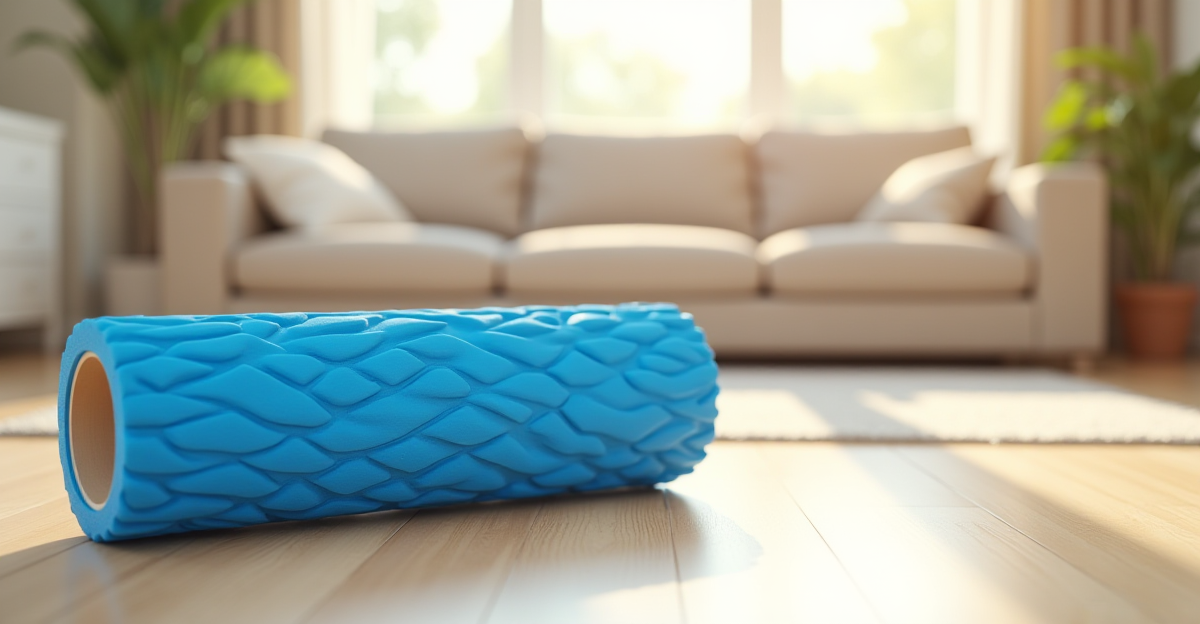

The Foam Roller has garnered widespread recognition in the realm of fitness and physical therapy, often hailed as a game-changer for those struggling with muscle tightness and pain.
Among its many proponents, personal experiences highlight the profound effects this simple tool can have, especially when it comes to alleviating nagging back discomfort.
A Foam Roller not only aids in myofascial release but also encourages improved blood circulation, making it an essential addition to any wellness routine.
For individuals seeking relief from chronic back pain, incorporating a foam roller can offer a transformative experience.
It serves as an accessible and effective method to target specific areas of tension and promote functional movement.
This blog post delves into one person’s journey discovering the remarkable benefits of using a foam roller, illustrating how a few minutes with this unassuming tool can lead to significant, positive changes in one’s overall well-being.
Key Takeaways
- Effective Relief: Incorporating a foam roller into a daily routine can provide significant relief from back pain by targeting muscle tension and tightness.
- Versatile Tool: A foam roller is not just for athletes; it is a versatile tool that can be used by anyone seeking to improve flexibility and reduce discomfort.
- Improved Mobility: Regular usage facilitates improved mobility by breaking down fascia and muscle knots, leading to better overall performance in daily activities.
- Post-Workout Recovery: Foam rolling post-exercise enhances blood circulation and aids recovery by reducing soreness and stiffness in the back muscles.
- Mind-Body Connection: Using a foam roller encourages a deeper awareness of bodily sensations, fostering mindfulness and a better understanding of one’s physical well-being.
Sure! Here are some sample headlines:
The Foam Roller That Actually Eased My Back Pain
Using a foam roller can dramatically transform the way back pain is managed.
This simple yet effective tool works by releasing muscle tension and improving circulation.
Regular use can lead to increased flexibility and reduced pain levels.
Many people, including athletes and fitness enthusiasts, have found foam rolling to be an essential part of their recovery regimen.
“Foam rolling not only alleviates pain but also strengthens the body’s resilience to future injuries.”
– Dr.Jane Smith, Physiotherapist
Incorporating a Foam Roller into a daily routine can be straightforward.
Begin by rolling slowly over sore areas, allowing the foam to apply pressure gradually.
Focus on tight spots for about 30 seconds, which can significantly enhance recovery.
For instance, after a long day of sitting, rolling along the lower back can provide instant relief and restore comfort.
Techniques for Effective Foam Roller Usage
Utilizing a Foam Roller effectively can significantly enhance muscle recovery and flexibility.
One practical application involves targeting the back muscles, where rolling along the spine can relieve tension and soreness.
By placing the Foam Roller perpendicular to the body, users can gently roll side to side, focusing on the lower and upper back.
Another beneficial technique is to roll the legs, especially after an intense workout.
By slowly rolling over the quadriceps and hamstrings, individuals can alleviate tightness, improving overall performance.
Consistent use of a Foam Roller can thus support better movement and reduce the risk of injury during physical activities.
Techniques for Effective Foam Roller Use
Utilizing a Foam Roller can significantly enhance recovery and flexibility.
Applying specific techniques can maximize its benefits.
For instance, when rolling on the back, maintaining a slow pace allows targeted areas, such as the spine and shoulders, to decompress effectively.
Concentrating on sore muscles facilitates the release of tension, promoting better blood flow.
Additionally, incorporating the roller into a warm-up routine helps prepare the muscles for intense activity, enhancing overall performance.
Focus on key areas, like the quads and hamstrings, to alleviate tightness, thus ensuring a well-rounded approach to muscle recovery and flexibility training.
New Study Reveals Impact of Climate Change on Global Agriculture
Understanding the impact of climate change is crucial for preparing future agricultural strategies.
As climate change alters weather patterns and temperatures, global agriculture faces numerous challenges, including shifts in crop yields and increased pest proliferation.
This necessitates innovative practices to ensure sustainability in farming.
The use of modern tools, such as a Foam Roller for muscle recovery, is somewhat analogous.
Just as farmers adapt to climate changes, individuals can adapt their physical routines to reduce discomfort and improve overall health.
| Foam Roller Type | Density | Usage |
|---|---|---|
| High-Density | Firm | Deep tissue therapy |
| Medium-Density | Moderate | General muscle relief |
| Low-Density | Soft | Beginner use |
Implementing practices such as regular foam rolling can alleviate pain and improve flexibility, just as adapting to climate change can enhance the resilience of crops.
Simple techniques like incorporating foam rolling into a daily routine can lead to noticeable improvements in physical well-being, promoting better health and muscle performance.
Enhancing Recovery with a Foam Roller: Techniques and Benefits
Utilizing a Foam Roller can significantly enhance recovery after workouts.
It facilitates myofascial release, which can alleviate muscle tightness and improve flexibility.
Rolling specific muscle groups, such as the quadriceps and hamstrings, can increase blood flow, promoting nutrient delivery to sore tissues.
Additionally, it acts as a preventative measure against injuries by breaking down adhesions and enhancing range of motion.
Athletes often dedicate 10 to 15 minutes post-exercise for this purpose, ensuring that tension is released and muscles remain pliable.
Incorporating a Foam Roller into a regular routine can be a game-changer for overall physical well-being.
Enhancing Mobility and Flexibility with a Foam Roller
Utilizing a Foam Roller can significantly enhance flexibility and mobility during physical activities.
By regularly incorporating foam rolling into a routine, individuals can experience improved muscle recovery after intense workouts.
This technique allows for effective self-myofascial release, targeting specific areas of muscle tightness.
For instance, rolling over the quadriceps can alleviate tension, contributing to increased range of motion in the hips.
Moreover, focusing on the upper back can improve posture and relieve discomfort, making foam rolling an essential tool in fitness regimens aimed at reducing the risk of injury and promoting overall well-being.
Tech Innovations Set to Transform Remote Work in 2024
As remote work evolves, tech innovations are redefining how professionals stay connected and productive from home.
Tools that enhance comfort, such as the Foam Roller, are becoming essential.
These innovations aim to offer comprehensive solutions for remote employees, such as ergonomic furniture and advanced collaboration software, enhancing both wellness and productivity.
For instance, virtual reality meetings are becoming a game changer, enabling teams to engage more interactively.
Wearable tech is also emerging, focusing on posture and movement to prevent strain.
To optimize the workspace, integrating smart lighting and climate control can foster better focus.
Remote workers should also embrace tools that promote breaks, like a Foam Roller, which can significantly reduce tension.
Consider adding items such as:
- Smart whiteboards for brainstorming sessions
- Noise-canceling headphones for focus
- Health apps for tracking well-being
- Virtual wellness workshops
- Mobile office setups for flexibility
These innovations are key to creating a sustainable remote work environment.
Enhancing Recovery with the Foam Roller
The use of a Foam Roller can significantly enhance recovery after intense physical activity.
By applying targeted pressure to sore muscles, users can effectively reduce muscle tightness and improve flexibility.
This tool aids in increasing blood circulation, facilitating the removal of metabolic waste and thereby supporting faster healing.
A common technique involves rolling along the thighs, glutes, and back, which can alleviate tension and promote relaxation.
Incorporating the Foam Roller into a regular post-workout routine not only helps in reducing soreness but also enhances overall performance by improving mobility and reducing the risk of injury.
Foam Roller Techniques for Enhanced Muscle Recovery
Utilizing a Foam Roller can significantly improve muscle recovery through targeted techniques.
One effective method is the trigger point release, where pressure is applied to specific knots or tight spots in the muscle.
By slowly rolling over these areas, blood flow is enhanced, promoting nutrient delivery and reducing soreness.
Another beneficial technique involves dynamic rolling, incorporating smooth, flowing movements to warm up muscles before exercise.
This approach not only helps to prepare the body but also increases flexibility and range of motion, making it an essential practice for athletes and fitness enthusiasts alike.
Local Community Comes Together to Support Homeless Shelter Renovation
Renovating a homeless shelter requires significant community support, and many efforts have emerged to assist in this endeavor.
Local businesses, residents, and organizations are increasingly coming together, pooling resources, providing funds, and volunteering time.
For instance, a community fundraiser might be organized, where excess funds could be allocated for upgrading facilities and buying essential supplies.
Engaging local schools in service projects can also encourage students to understand the needs of their community while actively contributing to improvement projects.
Aside from monetary contributions, skilled volunteers can offer services such as carpentry or painting.
Just as using a Foam Roller can ease physical tension, community collaboration can relieve social tension by creating shared responsibility.
Ultimately, every small action contributes to making the shelter a better place, reflecting the community’s commitment to enhancing the lives of those in need.
Techniques for Effective Foam Roller Use
Utilizing a Foam Roller effectively enhances recovery and mobility.
To target specific muscle groups, focus on applying pressure slowly while rolling back and forth over tight areas.
For example, when addressing hamstring tightness, position the roller under the thigh and gradually roll from the glute to the knee.
This technique not only helps relieve tension but also improves blood flow.
Additionally, individuals can benefit from using a Foam Roller on their lower back by lying supine and slowly rolling along the spine, which effectively alleviates discomfort.
Practicing these methods regularly can significantly enhance overall performance and reduce muscle soreness.
Enhancing Recovery with the Foam Roller
Utilizing a Foam Roller can significantly enhance post-workout recovery.
This simple yet effective tool promotes muscle relaxation and alleviates soreness through self-myofascial release.
For example, rolling out the calves can help mitigate tightness after rigorous runs, facilitating better blood circulation.
Additionally, athletes often employ foam rolling to target specific muscle groups, such as the quadriceps and hamstrings, which can improve flexibility and mobility.
Incorporating foam rolling into a regular routine not only aids in recovery but also prepares the body for subsequent workouts, leading to overall improved performance and fewer injuries.
Major Breakthrough in Cancer Research Promises New Treatment Options
Recent advancements in cancer research are paving the way for innovative treatment options that may significantly improve patient outcomes.
One promising avenue involves targeted therapies that utilize the body’s immune system to fight cancer cells more effectively.
These therapies aim to identify and attack specific markers on cancerous cells, minimizing damage to surrounding healthy tissue and potentially reducing side effects, which could be a game-changer for patients.
Incorporating these therapies often means patients will experience less downtime and an improved quality of life.
For instance, combining targeted therapies with traditional treatments such as chemotherapy can enhance efficacy.
Moreover, ongoing clinical trials continue to explore how best to implement these breakthroughs, offering hope for better options ahead.
Such developments may also inspire supportive measures, like using a Foam Roller in recovery, to relieve pain or muscle tension that arises during rigorous treatment schedules.
Targeting Muscle Recovery with Foam Rollers
Using a Foam Roller effectively can greatly enhance muscle recovery and flexibility.
When applied post-workout, the roller works by breaking down knots and tight areas within the muscle fibers, promoting better circulation.
For example, focusing on the quadriceps or hamstrings can alleviate soreness and improve range of motion in the knees.
Additionally, rolling the upper back aids in releasing tension built from long hours of sitting, making it particularly beneficial for office workers.
Incorporating the Foam Roller into a regular routine can lead to faster recovery times and overall improved muscle function, making it a valuable tool for athletes and fitness enthusiasts alike.
Benefits of Using a Foam Roller for Muscle Recovery
Utilizing a Foam Roller effectively contributes to enhanced muscle recovery and flexibility.
The technique, known as self-myofascial release, aids in alleviating muscle tightness and discomfort.
Regularly incorporating a foam rolling routine can significantly improve blood circulation, allowing nutrients to reach muscle tissues more efficiently.
This enhanced flow also promotes the removal of metabolic waste, speeding up recovery after intense workouts.
For athletes and fitness enthusiasts, foam rolling can be particularly beneficial for targeting sore muscle groups, such as the hamstrings or IT band.
By applying pressure on these areas, muscle
City Council Approves Funding for Public Transportation Improvements
The recent decision by the City Council to approve funding for public transportation improvements is a crucial step towards enhancing community mobility.
The enhanced infrastructure will allow more efficient travel, reducing congestion and promoting the use of public transport over personal vehicles.
This is especially beneficial for individuals who rely on buses and trains to reach workplaces or medical appointments, such as physical therapy sessions that may include foam roller exercises.
Furthermore, improved public transport accessibility can lead to a healthier community overall.
For instance, with better bus routes and schedules, more residents may consider integrating foam roller techniques into their routine after visiting physiotherapy clinics.
It encourages a proactive approach to managing back pain while simultaneously supporting the local economy and environmental efforts.
Ultimately, these improvements will foster a more interconnected community, making essential wellness practices easily accessible to everyone.
Benefits of Foam Roller for Muscle Recovery
The use of a Foam Roller can significantly enhance muscle recovery following physical activity.
By applying pressure to specific muscle groups, it helps to release tension and promote circulation in the tissues.
For instance, rolling out tight quadriceps or hamstrings can alleviate post-workout soreness, allowing for a quicker return to optimal performance.
Athletes often incorporate the Foam Roller into their warm-up and cool-down routines, ensuring better flexibility and reducing the risk of injury.
This self-myofascial release technique is beneficial for both amateur and professional athletes, making it a vital addition to any fitness regimen.
Techniques for Effective Foam Roller Usage
Utilizing a Foam Roller can significantly enhance muscle recovery and flexibility.
One effective technique involves positioning the roller under the target area, such as the upper back, and using body weight to gently roll back and forth.
This helps release tension and promotes blood flow, which is crucial for muscle repair.
Another method is to focus on specific knots or tight spots by slowing down at those areas, allowing the roller to penetrate deeper and provide a targeted massage.
By incorporating these techniques, athletes and fitness enthusiasts can optimize their workouts and minimize the risk of injury.
International Relations: Countries Work Together to Address Global Security Threats
The quest for global security requires nations to collaborate and address common challenges.
Similar to how a Foam Roller can alleviate individual back pain, international partnerships can ease broader tensions and threats.
For example, countries often come together to form coalitions that enhance security by sharing intelligence and resources.
When nations cooperate on issues like cyber threats or terrorism, they can create effective strategies that protect their citizens.
Best practices in international relations include developing transparent communication channels and mutual respect among countries.
Nations can also engage in joint military exercises, which build trust and improve readiness for crucial operations.
By actively participating in organizations such as the United Nations or NATO, countries work together to create long-term solutions that address global security challenges effectively.
The Therapeutic Benefits of Foam Rollers for Recovery
Using a Foam Roller can significantly enhance muscle recovery post-exercise.
This tool aids in self-myofascial release, which helps alleviate tightness and improves blood circulation.
For instance, athletes often incorporate foam rolling into their routines to mitigate soreness and promote flexibility.
The pressure applied during rolling can break up adhesions, effectively targeting trigger points in muscles.
Specifically, rolling the quadriceps or hamstrings can relieve tension accumulated from intense workouts, leading to quicker recovery times.
Regular use of a Foam Roller not only helps maintain muscle elasticity but also fosters a greater range of motion, ultimately improving overall athletic performance.
Foam Roller Techniques for Effective Muscle Recovery
Using a Foam Roller can significantly enhance muscle recovery through various techniques that target specific muscle groups.
For example, rolling the quadriceps helps alleviate tightness and improves flexibility, which is particularly beneficial after intense workouts.
By applying sustained pressure on tight areas, blood flow is increased, facilitating quicker recovery.
Another technique involves using the Foam Roller on the upper back to release tension and improve posture.
By positioning the roller vertically along the spine and gently rolling back and forth, discomfort can be reduced, promoting relaxation and overall wellbeing.
Incorporating these techniques into a regular fitness routine can lead to enhanced performance.
Conclusion
In conclusion, the foam roller has proven to be a transformative tool in managing back pain and enhancing overall mobility.
By incorporating specific techniques, such as targeted rolling on tension areas and maintaining a consistent routine, practitioners can experience significant relief and improved physical wellness.
Choosing the right foam roller—a medium density for beginners, for example—can further amplify results, making it a versatile addition to any health regimen.
As you embark on your journey with a foam roller, remember to listen to your body and include rest and gradual progression in your practice.
Sharing your experiences with friends or even in community forums can also create accountability and motivate others to explore this effective method of pain relief.
Are you ready to embrace the foam roller and unlock a new level of comfort and flexibility?
Take that first step today—your back will thank you for it!
Frequently Asked Questions
How does a foam roller help with back pain?
A foam roller alleviates back pain by providing targeted pressure on tight muscles and fascia, promoting myofascial release.
This self-massage technique helps improve blood circulation, reduces muscle soreness, and enhances flexibility.
Regular use can break down adhesions in muscle tissue, leading to increased range of motion and less discomfort.
It’s a straightforward tool for anyone seeking relief from muscular tension in the back.
What is the best way to use a foam roller for back pain?
To effectively use a foam roller, start by positioning it under your lower back.
Gently roll back and forth to target sore areas.
Focus on slow movements and avoid rolling on the spine directly.
If necessary, adjust your body angle to hit different muscle groups.
Incorporating light pressure initially is advisable, gradually increasing as your comfort level permits to enhance results.
Can anyone use a foam roller, or are there limitations?
Most individuals can use a foam roller safely, but those with specific conditions like severe injuries, fractures, or certain medical issues should consult a healthcare professional first.
Pregnant individuals should also exercise caution.
If you experience sharp or intense pain while rolling, stop immediately and seek guidance.
It’s essential to prioritize safety and listen to your body during self-myofascial release.
How long should I use a foam roller each session?
For optimal benefits, aim for about 10 to 15 minutes per session.
Focus on each targeted area for 30 seconds to 2 minutes, depending on the level of discomfort.
Consistency is key; performing this routine two to three times a week can lead to significant improvements in muscle tension and flexibility.
Adjust duration as needed based on personal comfort and recovery requirements.
What type of foam roller is best for beginners?
Beginners should consider a high-density foam roller with a smooth surface.
This type offers adequate support and prevents excessive discomfort during the initial learning phase.
Gradually, you may explore textured or firm options as your body adapts.
Choosing a roller that balances firmness and comfort can enhance your experience and ensure you remain motivated to integrate foam rolling into your routine.
How often should I foam roll to see results?
For effective results, incorporating foam rolling into your routine 2 to 3 times per week is ideal.
This frequency allows for muscle recovery and helps maintain flexibility.
Consistent use can decrease discomfort and improve overall mobility over time.
It’s essential to monitor your body’s response and adjust frequency according to your personal needs and exercise regimen.
📌 Sources & Further Reading
[Source 1:] Healthline – Overview of foam roller benefits for muscle recovery and pain relief.
[Source 2:] Mayo Clinic – Insights on how foam rolling can alleviate muscle soreness.
[Source 3:] Verywell Fit – Guide on foam rolling techniques and their effectiveness for back pain relief.